

CU designates seven new Distinguished Professors
Eleven educators at the University of Colorado are being added to the roster of Distinguished Professors, CU’s highest honor for faculty across the four-campus system.
During today’s meeting at UCCS, the CU Board of Regents is scheduled to vote to approve the cohort of faculty members, recommended by President Todd Saliman with the concurrence of the systemwide Committee of Distinguished Professors.
CU Distinguished Professors are tenured faculty members who demonstrate exemplary performance in research or creative work; a record of excellence in promoting learning and student attainment of knowledge and skills; and outstanding service to the profession, the university and its affiliates.
This year’s honorees will be formally celebrated during Board of Regents meetings in 2027.
Including this year’s honorees, 171 Distinguished Professors have been named since the title’s establishment in 1977.
Distinguished Professors for 2026 are:
Rajagopalan Balaji, Ph.D., Professor, Associate Chair for Undergraduate Education, Department of Civil, Environmental, and Architectural Engineering, CU Boulder
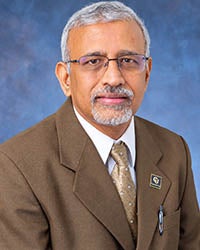
Dr. Rajagopalan Balaji is an internationally recognized leader in hydro climatology whose distinguished career has advanced understanding of climate variability, hydrologic processes, and water resources management. After earning his PhD in Civil and Environmental Engineering from Utah State University in 1995 and conducting research at Columbia University, he joined the University of Colorado Boulder in 2000, where he is a Professor of Civil, Environmental, and Architectural Engineering and a Fellow of the Cooperative Institute for Research in Environmental Sciences (CIRES). His pioneering research has transformed understanding of the relationship between large-scale climate patterns and regional hydrology, particularly through groundbreaking studies of the Indian monsoon, El Niño, and drought prediction. His collaborative research identifying distinct types, or “flavors,” of El Niño and their influence on monsoon variability helped establish a major area of climate research and was recognized with the prestigious World Meteorological Organization Norbert Gerbier–MUMM International Award in 2009. His research also advanced paleoclimate reconstructions and our understanding of changing snowmelt patterns, drought variability, and Colorado River flows, providing critical insights for water management and climate adaptation.
Dr. Balaji’s scholarship has had substantial practical impact through the development of innovative climate forecasting, statistical modeling, and water resources decision-support methods. His techniques have been adopted by major organizations, including the International Research Institute for Climate and Society and the U.S. Bureau of Reclamation, where they have informed seasonal climate forecasting and long-term water supply planning, particularly in the Colorado River Basin. In recognition of his contributions to advancing Colorado River water management, he was a co-recipient of the Department of Interior 2009 U.S. Department of Interior Partners in Conservation Award, along with a collaborative team of researchers and water management stakeholders. He has authored more than 250 peer-reviewed publications. His international standing has been recognized through election as a Fellow of the American Geophysical Union, the American Society of Civil Engineers, and the Indian Meteorological Society, as well as receipt of the Fulbright-Kalam Climate Fellowship. Equally significant is his dedication to teaching and mentorship. He has guided dozens of graduate students, many of whom have pursued successful careers in academia, government agencies, and industry, including leadership roles in water resources management.
Throughout his career, Dr. Balaji has demonstrated exceptional academic leadership and service, most notably through two consecutive terms as Chair of CU Boulder’s Department of Civil, Environmental, and Architectural Engineering from 2014 to 2022. During his tenure, he guided one of the nation’s largest civil engineering departments through significant growth and institutional challenges, including the COVID-19 pandemic, while strengthening its academic programs, research infrastructure, and faculty. He was instrumental in establishing the Center for Infrastructure, Energy, and Space Testing, a major research facility serving academic, government, and industry partners, and helped develop the ABET-accredited civil engineering undergraduate degree offered through the Colorado Mesa University–CU Boulder partnership. His leadership also included significant faculty recruitment and supporting the department’s continued national prominence. Taken together, his pioneering scientific contributions, commitment to educating future engineers, and transformative institutional leadership reflect a career of extraordinary influence on climate science, water resources management, and engineering education.
Frederick L. Coolidge, Ph.D., Professor, Co-Director of Psychology Undergraduate Education, Psychology Department, UCCS
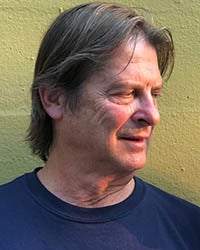
Dr. Frederick L. Coolidge has devoted 47 years to the University of Colorado Colorado Springs, building an internationally recognized career spanning psychology, neuropsychology, evolution, behavior genetics, statistics and experimental design, and, for more than two decades, cognitive archaeology. An exceptionally prolific scholar, he has produced more than 220 scholarly publications and 265 research presentations, with his work cited more than 13,000 times and an h-index placing him among the most highly cited full professors in psychology. He has authored or co-authored numerous books reaching international audiences, with translations into several languages, and is a three-time recipient of a Fulbright Fellowship Award. His research excellence has also been recognized with both of UCCS’s major research honors: the Faculty Award for Excellence in Research and the LAS Annual Outstanding Research and Creative Works Award.
Dr. Coolidge’s career is equally distinguished by his contributions to teaching and mentorship. He has taught an unusually broad range of courses—22 different undergraduate and 12 graduate courses—and has mentored and graduated more than 65 master’s students, in addition to mentoring honors students and numerous undergraduates. Many of his former students have gone on to become professors and other professionals. His excellence as an educator has been recognized with three major university teaching honors: designation as a CU Presidential Teaching Scholar, the LAS Teaching Excellence Award, and the UCCS Outstanding Teaching Award.
Throughout his career, Dr. Coolidge has also provided extensive leadership and service to UCCS and the broader academic community. His roles have included Chair of the Psychology Department, Director of the UCCS Center for Teaching Excellence, Co-Director of the Center for Cognitive Archaeology, leadership of clinical and undergraduate psychology programs, chairmanship of major campus academic committees, and service as UCCS’s Fulbright Foundation liaison. His professional service extends internationally, including reviewing more than 70 doctoral dissertations from India and serving as a reviewer for numerous national and international scholarly journals. Taken together, his sustained achievements in research, teaching, mentorship, and institutional leadership demonstrate a career of broad influence at UCCS and within the international scholarly community.
Stephen R. Daniels, M.D., Ph.D., M.P.H., Professor and Chair, Department of Pediatrics, CU Anschutz
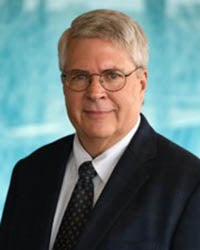
Dr. Stephen R. Daniels is an internationally recognized physician-scientist and a foundational leader in pediatric preventive cardiology whose four-decade career has transformed understanding of the childhood origins of cardiovascular disease. A Professor of Pediatrics at the University of Colorado Anschutz School of Medicine and Professor of Epidemiology at the Colorado School of Public Health, he has served since 2006 as Chair of the Department of Pediatrics and Pediatrician-in-Chief at Children’s Hospital Colorado. His pioneering research established that childhood obesity, hypertension, dyslipidemia, and diabetes are important precursors of cardiovascular disease and mortality in adulthood, helping shift prevention and intervention efforts earlier in life. His work has directly informed influential national and international clinical guidelines governing cardiovascular risk assessment and treatment in children. Dr. Daniels applies this knowledge directly to his patients and their family members in the Lifestyle Medicine Clinic at Children’s Hospital Colorado. Dr. Daniels’ scholarly record is exceptional, encompassing more than 500 peer-reviewed publications, decades of continuous NIH-supported research, and extraordinary citation impact that places him among the world’s most influential physician-scientists. In 2025, he was named to Clarivate’s Highly Cited Researchers list, recognizing researchers whose publications rank among the top one percent by citations in their fields. Dr. Daniels is an elected member of the Association of American Physicians.
Dr. Daniels has paired this scholarly distinction with an equally significant commitment to education and mentorship. During his two decades leading Pediatrics at CU Anschutz, he has helped develop an environment in which medical students, residents, fellows, junior faculty, and physician-scientists can flourish. He has supported nationally recognized educational and research-training programs, including the Center for Education Research and Scholarship, multiple NIH-funded T32 programs, and the Stimulating Access to Research in Residency program, which provides residents with mentored research experiences. His influence as a mentor extends across generations: former trainees credit him with helping them secure research funding, establish independent programs, attain national visibility, and assume leadership positions at CU and other prominent institutions in the United States and internationally. His contributions to mentorship were recognized in 2025 with the School of Medicine’s Allan V. Prochazka Master Mentor Award.
As an institutional and national leader, Dr. Daniels has had a transformative impact on pediatrics and on CU Anschutz. Under his leadership, the Department of Pediatrics has become one of the nation’s premier pediatric departments, reaching the No. 1 ranking for NIH funding among U.S. departments of pediatrics in 2025, while Children’s Hospital Colorado has remained among the country’s leading pediatric hospitals. He has also held prominent leadership and advisory roles with the National Institutes of Health, American Heart Association, American Academy of Pediatrics, National Academy of Medicine, and other major organizations, and has served as President of both the American Pediatric Society and the Association of Medical School Pediatric Department Chairs. His honors include the American Heart Association Gold Heart Award, election to the Association of American Physicians, and the Robert Suskind and Leslie Lewinter-Suskind Pediatric Nutrition Lifetime Achievement Award by the American Society for Nutrition. Taken together, Dr. Daniels’ field-changing research, extraordinary mentorship, clinical contributions, and sustained institutional and national leadership reflect a career of exceptional influence on pediatric medicine, cardiovascular health, and the University of Colorado.
Ryan Gardner, DMA, Professor of Trumpet, College of Music, CU Boulder
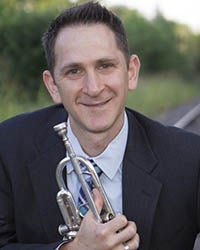
Dr. Ryan Gardner is an internationally recognized trumpeter, educator, and artistic leader whose career combines distinguished performance, innovative pedagogy, and extensive professional service. After beginning his university teaching career at the University of Arkansas–Fort Smith and serving on the faculty at Oklahoma State University, he joined the University of Colorado Boulder College of Music as Associate Professor of Trumpet in 2019 and was promoted to Professor in 2022. As a performer, he has appeared throughout North America and Europe, including more than 20 performances at Carnegie Hall and engagements at such venues as the Hollywood Bowl, Red Rocks, Avery Fisher Hall, and Alice Tully Hall. He has performed with orchestras and ensembles including the Colorado Symphony and the Grammy Award-winning Alarm Will Sound, as well as with artists including Ray Charles, LeAnn Rimes, and OneRepublic. His three solo recordings, numerous premieres and commissions, arrangements for trumpet ensemble, and contributions to professional publications have expanded the trumpet repertoire and influenced contemporary performance and pedagogy.
Dr. Gardner’s impact as an educator is particularly notable. At CU Boulder, he has developed one of the nation’s most competitive collegiate trumpet programs, attracting 60–80 applicants annually and establishing the university as a destination for outstanding young musicians. His students have achieved exceptional success in the National Trumpet Competition, International Trumpet Guild competitions, and other major national and international contests, while graduates have secured positions in professional orchestras, premier military bands, universities, and music education. Over the course of his career, his students have produced 18 wins and 39 placements at the National Trumpet Competition. His influence extends internationally through frequent masterclasses and guest teaching at leading institutions in the United States and Europe. His record reflects a pedagogical approach characterized by rigorous musical standards, individualized mentorship, and a commitment to developing complete musicians prepared for successful professional careers.
Dr. Gardner has complemented his artistic and teaching achievements with significant leadership and service to his profession, the university, and the broader community. He served as President of the International Trumpet Guild from 2023 to 2025, following service as Vice President and more than a decade on its board, helping expand access to competitions and scholarships, strengthening organizational governance, and improving the Guild’s financial position. At CU Boulder, he has served on university and College of Music committees, mentored junior faculty, supported major guest-artist residencies, and helped bring the National Trumpet Competition to campus in 2023. His longstanding commitment to community engagement is exemplified by his work with Music for Autism, where he has served for more than a decade as Artistic Director in New York and Los Angeles, developing free, sensory-friendly performances for individuals with autism and their families. Taken together, Dr. Gardner’s international artistic reputation, extraordinary record of student achievement, professional leadership, and commitment to inclusive community engagement reflect a career of exceptional influence in trumpet performance and music education.
Nan Goodman, Ph.D., Professor, English Department and Program in Jewish Studies, CU Boulder
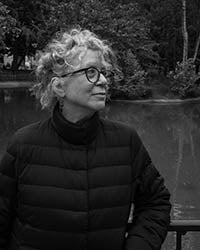
Dr. Nan Goodman is a nationally and internationally recognized scholar whose career at the University of Colorado Boulder has transformed interdisciplinary study at the intersections of American literature, Jewish Studies, law, religion, and cultural history. She joined CU Boulder’s Department of English in 1992 and is a full professor in both English and the Program in Jewish Studies, as well as Editor-in-Chief of English Language Notes. Drawing on an exceptional academic background that includes a Ph.D. in English from Harvard University and a J.D. from Stanford Law School, Dr. Goodman has developed a distinctive scholarly approach that brings literary criticism and legal analysis together to illuminate American history, culture, identity, belonging, and exclusion. She is the author of four major monographs—including Shifting the Blame, Banished, The Puritan Cosmopolis, and Jewish Messiahs Abroad—as well as five edited collections and numerous refereed essays. Her scholarship has earned major book awards, a BFA Excellence in Research Award, a Fulbright Fellowship, National Endowment for the Humanities support, and prestigious fellowships and appointments at institutions including the University of Pennsylvania, University of Wisconsin–Madison, Georgetown Law Center, the Huntington Library, and the American Antiquarian Society. In 2022, CU Boulder named her a Professor of Distinction.
Dr. Goodman is also an accomplished and highly regarded teacher and mentor whose influence extends across undergraduate, graduate, and honors education. Her courses in Early American literature and Jewish Studies are noted for their intellectual rigor, interdisciplinarity, and emphasis on developing students as stronger critical thinkers and writers. Beyond the classroom, she has chaired nine doctoral dissertations, served on 17 additional doctoral committees, directed four master’s theses and 13 honors theses, and mentored students through programs such as McNair and UROP. She has also taught at Georgetown Law and internationally at Boğaziçi University in Istanbul. Student evaluations and peer assessments consistently describe her as an exacting but deeply engaged teacher who combines extraordinary command of American history, literature, and law with humor, empathy, and a commitment to helping students develop intellectual independence.
Throughout her career, Dr. Goodman has complemented her scholarship and teaching with substantial institutional and professional leadership. She has twice served as Director of Graduate Studies in English and, from 2015 to 2019, directed CU Boulder’s Program in Jewish Studies, where she helped secure and steward nearly $2 million in grants and gifts while expanding faculty, programs, and the unit’s visibility. She has also contributed to archival and public humanities initiatives, including the Post-Holocaust American Judaism Archive Project, and has served on numerous university and professional committees and editorial boards. As Editor-in-Chief of English Language Notes, she has provided important scholarly and fiscal leadership for the journal. Taken together, Dr. Goodman’s field-shaping interdisciplinary scholarship, rigorous and influential teaching, sustained mentorship, and transformative academic leadership reflect a career of exceptional distinction and lasting impact on CU Boulder and the humanities more broadly.
V. Michael Holers, M.D., Smyth Professor of Rheumatology, CU Anschutz
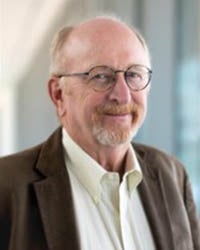
Dr. V. Michael Holers is an internationally recognized physician-scientist whose more than four-decade career has produced major advances in rheumatology, immunology, and the understanding and treatment of autoimmune and inflammatory diseases. After completing his rheumatology fellowship at the University of Colorado and additional research training at Washington University in St. Louis, he returned to CU in 1993, became a full professor in 1998, and served as Chief of the Division of Rheumatology from 2000 to 2021. His research has made seminal contributions in two areas: understanding the complement system’s role in immune-mediated disease and redefining rheumatoid arthritis as a disease that develops through identifiable stages before clinical symptoms appear. His Studies of the Etiologies of Rheumatoid Arthritis program helped establish the scientific foundation for identifying individuals at high risk for rheumatoid arthritis and ultimately enabled the first U.S. clinical trial aimed at preventing the disease. An exceptionally productive scholar, Dr. Holers has authored 376 peer-reviewed publications, maintained continuous NIH support for decades, attracted more than $55 million in extramural funding, and achieved an h-index of 90.
A defining feature of Dr. Holers’ career has been his ability to translate fundamental scientific discoveries into innovations that benefit patients. His work on complement biology has generated 15 issued patents and contributed to new approaches for treating complement-mediated diseases. He has co-founded three biotechnology companies, including Q32 Bio, which became a publicly traded company in 2024, demonstrating the commercial and clinical potential of research originating from his laboratory. Since 2021, he has served as Director of Faculty Ventures for CU Innovations, where he uses his experience as a scientist and entrepreneur to help other CU investigators translate discoveries into therapies, diagnostics, and technologies. Equally significant is his commitment to education and mentorship. As principal investigator of CU’s NIH-funded Rheumatology Research Training Grant for five funding cycles spanning 25 years, he helped provide research training for more than 80 graduate students, MD/PhD students, postdoctoral fellows, and rheumatology fellows and directly mentored more than 30 trainees. Many of his former mentees have become professors, division heads, independently funded investigators, and leaders in academic medicine and biotechnology around the world.
Dr. Holers has also provided sustained leadership to CU and the international rheumatology community. During his 21 years as head of CU’s Division of Rheumatology, he expanded its research enterprise, clinical programs, and fellowship training while helping establish centers of excellence in lupus, scleroderma, autoimmune lung disease, and rheumatoid arthritis. Nationally and internationally, he has held numerous leadership positions with the American College of Rheumatology, served as President of both the Rheumatology Research Foundation and the International Complement Society, and contributed extensively to NIH study sections and advisory panels. His accomplishments have earned many honors, culminating in the American College of Rheumatology’s Presidential Gold Medal in 2024, the organization’s highest honor for lifetime achievement. In addition, in 2026 he received the Carol Nachman Prize, considered the most prestigious international recognition in the field of Rheumatology. Taken together, Dr. Holers’ pioneering discoveries, successful translation of research into therapies and biotechnology, extraordinary mentorship, and sustained institutional and professional leadership reflect a career of exceptional influence on rheumatology, immunology, patient care, and the University of Colorado.
Tim Kuhn, Ph.D., Professor and Associate Dean of Faculty Development, Department of Communication, CU Boulder
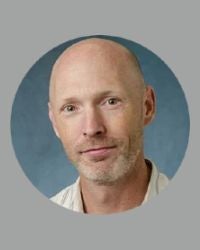
Dr. Tim Kuhn is an internationally renowned scholar whose distinguished career at the University of Colorado Boulder has made foundational contributions to organizational communication, organizational theory, and critical management studies. A professor in the Department of Communication, he has transformed understanding of how communication shapes the formation, structure, and functioning of organizations. His influential 2008 article, “A Communicative Theory of the Firm,” helped establish new theoretical approaches to organizational life by integrating communication, materiality, power, and authority. His scholarship has extended well beyond the communication discipline, influencing research in management, organizational sociology, and journalism. His recent book, What Do Corporations Want? Communicative Capitalism, Corporate Purpose, and a New Theory of the Firm, offers an innovative framework for understanding how communication is the foundational force constituting corporations, which speaks to crucial public debates about corporate personhood, corporate political activity, and what it means when we say “a company” acts, believes, or wants. His scholarly excellence has earned numerous prestigious honors, including election as a Fellow of the International Communication Association, the Fredric M. Jablin Award for Outstanding Contributions to Organizational Communication, three top book and three top article awards from the National Communication Association, and the W. Charles Redding Dissertation Award. His international reputation is further reflected in visiting positions, invited lectures, keynote presentations, and research collaborations around the world.
Equally significant are Dr. Kuhn’s contributions to teaching, graduate education, and mentorship. He has guided 13 doctoral dissertations and seven master’s theses, helping prepare emerging scholars for successful academic and professional careers. His exceptional dedication to graduate education has been recognized with CU Boulder’s Outstanding Graduate Student Mentor Faculty Award, and one of his doctoral students received the Redding Dissertation Award. Colleagues and former students consistently emphasize his thoughtful, individualized approach to mentorship, which encourages students to develop their own intellectual interests while providing the guidance and support necessary for scholarly achievement. His ability to connect sophisticated theoretical ideas with research across disciplines has also made him an influential collaborator and mentor to faculty colleagues, extending his educational impact beyond his own department.
Throughout his career, Dr. Kuhn has demonstrated exceptional institutional leadership and professional service, contributing significantly to the development and academic culture of CU Boulder’s College of Communication, Media, Design and Information (CMDI). As Chair of the college’s Faculty Council, he strengthened faculty governance by establishing more effective processes and practices, including developing an administrative evaluation tool subsequently adopted more broadly across the university. He has also served as Chair of the Department of Communication and currently serves in the role of Associate Dean of Faculty Development, reflecting his sustained commitment to supporting faculty success and institutional excellence. Prior to his roles in CMDI, he was the Faculty Director of the INVST Community Studies program. His extensive service to his department, college, university, and profession complements his internationally influential scholarship and dedication to mentorship. Taken together, his groundbreaking theoretical contributions, exceptional teaching and mentorship, and sustained academic leadership reflect a career of extraordinary influence on organizational communication, interdisciplinary scholarship, and the University of Colorado Boulder.
Nancy Leech, Ph.D., Professor, School of Education & Human Development, CU Denver
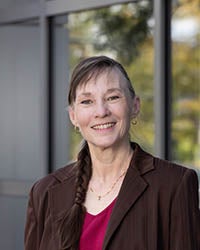
Dr. Nancy L. Leech is an internationally recognized scholar and methodologist whose distinguished career at the University of Colorado Denver has significantly advanced the theory and practice of qualitative, quantitative, and mixed methods research. A professor in the School of Education and Human Development, she has made foundational contributions to research design, methodological integration, qualitative data analysis, and statistical analysis, influencing how researchers across disciplines conceptualize and conduct rigorous studies. Her exceptionally prolific scholarship includes more than 120 peer-reviewed journal articles, 25 book chapters, and three widely used research methodology textbooks, several of which have reached their sixth or seventh editions. Her work has accumulated approximately 51,000 citations, with an h-index of 62, placing her among the most influential scholars in education and the social sciences. Her research has also contributed to interdisciplinary projects supported by more than $9.6 million in grant funding, and she has received numerous awards recognizing her scholarly excellence.
Equally significant are Dr. Leech’s contributions to teaching, mentorship, and the preparation of future scholars. She has taught a broad range of graduate-level research methodology courses, earning consistently strong evaluations for her ability to make complex statistical and methodological concepts accessible and engaging. Her scholarship on teaching research methods includes more than 20 journal articles and several book chapters, demonstrating her commitment to improving research education. She has also served as a methodologist on more than 40 dissertation committees across university programs, helping students develop rigorous research skills and launch successful careers in academia, government, and other professional settings. Her widely adopted textbooks and methodological publications have extended her educational influence well beyond CU Denver, supporting the training of researchers and graduate students internationally.
Throughout her career, Dr. Leech has demonstrated exceptional professional leadership and service at the university, national, and international levels. At CU Denver, she has served in program leadership, faculty governance, promotion and tenure review, and faculty recruitment roles. Her professional contributions include serving as associate editor for two scholarly journals, providing editorial and peer-review expertise, and receiving recognition for outstanding service to leading academic publications. She has also advised the U.S. Office of Planning, Research, and Evaluation and contributed methodological expertise to major externally funded research and evaluation initiatives, helping strengthen evidence-based educational policy and practice. Taken together, her groundbreaking scholarship, dedication to teaching and mentorship, and sustained institutional and professional service reflect a career of extraordinary influence on research methodology, higher education, and the broader scholarly community.
Lorna G. Moore, Ph.D., Professor, Division of Reproductive Services, Department of Obstetrics and Gynecology, CU Anschutz
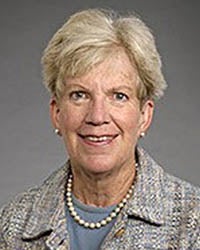
Dr. Lorna G. Moore is an internationally renowned scientist whose distinguished career has advanced understanding of maternal health, human physiology, and adaptation to high-altitude environments. A tenured Professor of Obstetrics and Gynecology at the University of Colorado Anschutz Medical Campus, she has pioneered research examining how chronic oxygen deprivation at high altitudes affects pregnancy, fetal growth, and complications such as preeclampsia. Her groundbreaking studies have transformed understanding of human adaptation to environmental stress and provided important insights into the mechanisms underlying pregnancy disorders, with potential implications for developing new treatments. Her international research collaborations have included extensive work in Peru, Tibet and Bolivia as well as in Colorado’s high-altitude regions where, collectively, she has studied high-altitude pregnancy since the late 1970s. An exceptionally accomplished scholar, Dr. Moore has authored nearly 300 peer-reviewed publications, reviews, and book chapters; accumulated more than 22,000 citations; and maintained nearly continuous National Institutes of Health research funding since 1982. Her pioneering contributions earned her recognition as “The Pregnancy Pioneer” in The Physiologist magazine in 2020.
Equally significant are Dr. Moore’s contributions to education, mentorship, and the development of interdisciplinary academic programs. She has mentored generations of undergraduate and graduate students, postdoctoral fellows, junior faculty, and international scientists, many of whom have become prominent leaders in their fields. Her academic leadership includes founding the University of Colorado’s Department of Anthropology and serving as its inaugural chair, establishing graduate programs in medical anthropology and health and behavioral science, and helping develop the Colorado School of Public Health. She also authored the award-winning textbook The Biocultural Basis of Health: Expanding Views of Medical Anthropology. From 2007 to 2012, she served as Dean of the Graduate School of Arts and Sciences at Wake Forest University, further demonstrating her commitment to graduate education and academic excellence.
Throughout her career, Dr. Moore has provided exceptional institutional and professional leadership across anthropology, reproductive sciences, and public health. She served as Chair of the Department of Anthropology at CU Denver, founding member and Chair of the Center for Women’s Health Research, President of the Human Biology Association, Vice-President of the American Association of Physical Anthropology, and President of the North Carolina Council of Graduate Schools. Her contributions to the University of Colorado have also included important roles in institutional planning, faculty development, and the advancement of women’s health research. Her numerous honors include an NRSA Career Award, the Elizabeth Gee Memorial Award, and the CU Denver Researcher of the Year Award. Taken together, her pioneering scientific discoveries, sustained commitment to mentorship, and transformative academic leadership reflect a career of extraordinary influence on maternal health research, higher education, and the international scientific community.
Anne Sheehan, Ph.D., Professor and Department Chair, Department of Earth Science, and Fellow of the Cooperative Institute for Research in Environmental Sciences (CIRES), CU Boulder
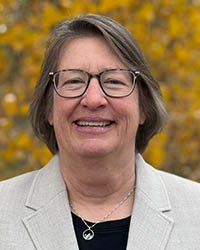
Dr. Anne F. Sheehan is a distinguished geophysicist whose more than three-decade career at the University of Colorado Boulder has been marked by pioneering research, exceptional teaching and mentorship, and sustained leadership in the geosciences. Since joining CU Boulder in 1993, she has made groundbreaking contributions to understanding earthquakes, tsunamis, mountain building, and the structure of Earth’s crust and mantle. Her research combines seismology, geodesy, field observations, and advanced computational techniques and has taken her from the Rocky Mountains and High Plains to Alaska, New Zealand, and the Himalayas. Among her most significant accomplishments are seminal investigations of the deep structure beneath the Rocky Mountains, pioneering studies of subduction zones and slow-slip earthquakes, influential research linking wastewater injection to induced seismicity in Colorado and New Mexico, innovative approaches to tsunami detection using ocean-going vessels, and the development of seismic receiver-function imaging methods that became integral to the major EarthScope initiative. Her scholarship has earned significant national and international recognition, including election as a Fellow of the American Geophysical Union and a visiting professorship at the Earthquake Research Institute, University of Tokyo.
Equally central to Dr. Sheehan’s career has been her commitment to education and mentorship. She has taught students at every level, from introductory geology through advanced graduate courses, while integrating rigorous analytical training with fieldwork and real-world scientific problems. She has been particularly influential in involving undergraduates directly in active research, mentoring approximately 70 undergraduate students during her CU career, as well as numerous graduate students and postdoctoral researchers who have gone on to careers in academia, government, research institutions, and industry. Her educational contributions also include co-authoring Introduction to Applied Geophysics: Exploring the Shallow Subsurface and receiving the Sloan Foundation Mentoring Award.
Dr. Sheehan has complemented these achievements with extensive institutional and professional service. She has served as president of the Seismology Section of the American Geophysical Union and on the boards of major geophysical organizations including EarthScope, UNAVCO, and the Incorporated Research Institutions for Seismology. In Colorado, she has served on the Colorado Earthquake Hazard Mitigation Council, providing expertise on seismic hazards to policymakers, engineers, and emergency managers. At CU Boulder, her leadership has included directing the Interdepartmental Geophysics PhD program, serving on numerous university committees, and serving as Chair of the Department of Earth Science. Taken together, her career reflects an unusually broad and sustained impact across scientific discovery, education, mentorship, public engagement, and academic leadership.
Tin Tin Su, Ph.D., Professor and Chair, Department of Molecular, Cellular & Development Biology, CU Boulder
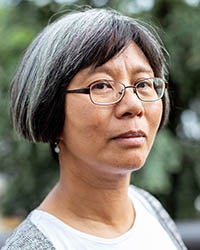
Dr. Tin Tin Su is an internationally recognized scientist whose distinguished career at the University of Colorado Boulder has advanced fundamental understanding of genetics, cell biology, radiation responses, and cancer therapeutics. A professor in the Department of Molecular, Cellular and Developmental Biology, she has pioneered the use of Drosophila genetics to investigate how cells regulate division, respond to radiation damage, and regenerate following injury. Her groundbreaking research has bridged basic biological discovery and clinical application, leading to innovative approaches for identifying compounds that enhance the effectiveness of radiation therapy. Among her most significant accomplishments is the discovery of SVC112, a promising therapeutic compound being developed for head and neck cancers.
As founder and Chief Scientific Officer of SuviCa, Inc., she has helped advance this research through patents, substantial federal and private funding, preclinical development, and preparations for clinical trials. Most recently, the project, Targeting Protein Translation Elongation to Treat Cancer Patients, received $4.2 million through the Anschutz Acceleration Initiative, made possible by a $50 million commitment from the Anschutz Foundation to the University of Colorado Anschutz Medical Campus.
Her scholarly record includes 50 research papers and 36 invited reviews and book chapters, with sustained support from the National Institutes of Health and National Cancer Institute. Her scientific achievements have earned prestigious recognition, including election as a Senior Member of the National Academy of Inventors in 2021 and as a Fellow of the American Association for the Advancement of Science in 2026.
Equally significant are Dr. Su’s contributions to teaching, mentorship, and innovative undergraduate research education. She has taught thousands of students and developed creative approaches to making complex biological concepts accessible, including her widely praised Cell Biology of Poisons course. She has been a leader in developing course-based undergraduate research experiences, particularly the Drosophila CURE Discovery Lab, which provides students with authentic opportunities to participate in hypothesis-driven scientific investigations. Her dedication to mentorship extends to more than 40 undergraduate researchers, 11 graduate students, and six postdoctoral fellows, and she has served on nearly 80 doctoral dissertation committees. Her leadership in graduate education has included serving as Director of Graduate Student Affairs, contributing to an interdisciplinary graduate training program, and helping establish a dual PharmD/PhD degree program. Her excellence in mentorship has been recognized with prestigious campus-wide awards, reflecting her sustained commitment to preparing future generations of scientists and innovators.
Throughout her career, Dr. Su has demonstrated exceptional institutional leadership and professional service at the university, state, national, and international levels. She has served as Associate Chair, Interim Chair, and Chair of CU Boulder’s Department of Molecular, Cellular and Developmental Biology, while contributing extensively to university governance, faculty development, and graduate education. Since 2018, she has served as Co-Program Leader of the Molecular and Cellular Oncology Program within the University of Colorado Cancer Center, fostering interdisciplinary cancer research across CU Boulder, CU Anschutz, and Colorado State University. Her leadership also extends to professional organizations, including service as President of the Drosophila Board and leadership roles within the Genetics Society of America, as well as extensive service on National Institutes of Health grant review panels. Through community outreach, research collaborations, and mentorship of junior faculty, she has strengthened connections between scientific discovery, education, and public health. Taken together, her pioneering research, innovative teaching, entrepreneurial accomplishments, and sustained academic leadership reflect a career of extraordinary influence on biological science, cancer research, and the University of Colorado.